Get Fence Sealing
Fence sealing services offered by local contractors help protect against weather damage, prevent rot and decay, and extend the lifespan of wood, vinyl, or metal fences.
Property owners considering fence sealing services often look for practical ways to protect and enhance their outdoor spaces. Proper sealing can help prevent weather-related damage, preserve the appearance of fencing materials, and extend the lifespan of existing structures. Exploring local contractors who specialize in fence sealing ensures access to experienced professionals familiar with the specific needs of the area’s climate and property types.
Comparing options among local service providers allows property owners to find experienced contractors who can tailor their services to individual project requirements. Whether for routine maintenance or preparing a property for seasonal changes, connecting with qualified local pros can support effective planning and ensure the work aligns with personal property goals. Keep reading to learn more about how local fence sealing experts can help protect and improve outdoor spaces.
- Residential Fence Owners - may need fence sealing services to protect their property from weather damage and prolong fence lifespan.
- New Fence Installations - require sealing after installation to ensure durability and resistance to the elements.
- Old or Weathered Fences - can benefit from sealing to restore and maintain their structural integrity.
- Commercial Property Managers - might seek fence sealing to secure boundaries and enhance property appearance.
- Fence Repair Situations - often involve sealing to prevent further deterioration and extend the life of existing fencing.
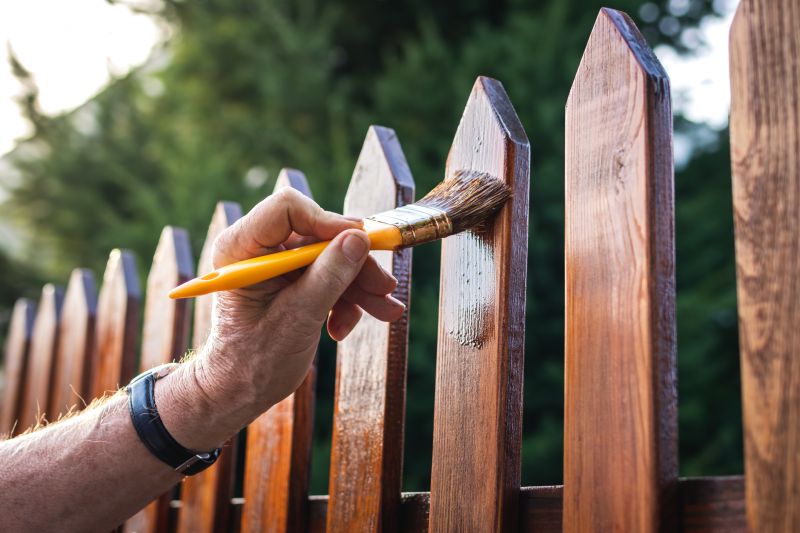
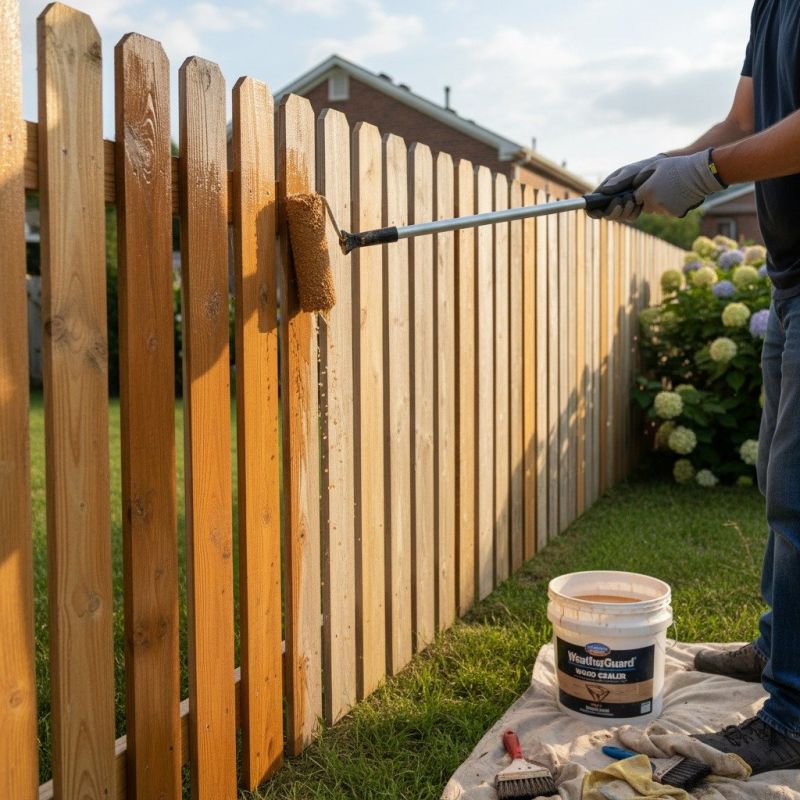

Fence sealing services involve applying a protective coating or sealant to the surface of a fence to help preserve its appearance and structural integrity. This process typically includes cleaning the fence thoroughly to remove dirt, mold, or old paint, followed by applying a high-quality sealant designed to shield the material from moisture, UV rays, and other environmental factors. Proper sealing can extend the lifespan of a fence, reduce the need for frequent repairs, and keep it looking fresh and well-maintained over time. Local contractors specializing in fence sealing can assess the specific needs of a property and recommend the most suitable products and techniques for optimal results.
Sealing fences is especially helpful in addressing common problems caused by exposure to the elements. Wood fences, for example, are prone to cracking, warping, and rotting if moisture seeps into the material. Without proper protection, paint or stain can peel or fade, leading to a worn appearance. For metal fences, sealing can prevent rust and corrosion, which are common issues in areas with high humidity or frequent rain. Additionally, sealing can help prevent the growth of mold, mildew, and algae that can stain or degrade the fence surface. Property owners who notice their fences looking weathered or are concerned about ongoing deterioration may find fence sealing to be an effective maintenance step.
This service is often utilized by homeowners with various types of properties, including residential yards, garden enclosures, and decorative fences around pools or patios. Commercial properties, such as retail stores or office complexes, may also benefit from fence sealing to maintain curb appeal and protect investment in fencing infrastructure. The size and material of the fence can influence the specific sealing method used, but local service providers are equipped to handle a range of property types and fencing styles. Whether a property has a traditional wooden picket fence or a modern metal privacy barrier, professional fence sealing can help maintain its appearance and durability for years to come.
Homeowners typically seek fence sealing services when their fences start to look faded, stained, or weathered, or if they want to prevent future damage. It is also a common step during routine property maintenance, especially after installing a new fence or completing repairs. Property owners who notice signs of moisture damage, mold, or peeling paint may want to contact local contractors to evaluate whether sealing is appropriate. By choosing experienced service providers, homeowners can ensure the job is done correctly, helping to protect their fencing investment and keep their outdoor spaces attractive and functional.
The overview below groups typical Fence Sealing projects into broad ranges so you can see how smaller, mid-sized, and larger jobs often compare in your area.
In many markets, a large share of routine jobs stays in the lower and middle ranges, while only a smaller percentage of projects moves into the highest bands when the work is more complex or site conditions are harder than average.
Smaller Repairs - Typical costs for minor fence sealing projects usually range from $150 to $400. Many routine touch-ups and small sections fall within this range, making it a common budget for local contractors. Larger, more complex repairs may exceed this range but are less common.
Standard Sealing Jobs - For standard sealing of an average-sized fence, local pros often charge between $250 and $600. Most projects of this type fall into this middle range, depending on the fence length and material specifics.
Full Fence Sealing - Complete sealing of an entire fence can typically cost between $600 and $1,200. Larger properties or fences with intricate designs may push costs higher, but many projects stay within this range.
Large or Complex Projects - Larger or more complex sealing projects, such as multiple fences or high-end materials, can reach $2,000 or more. These are less common and usually involve additional labor or specialized treatments.
Actual totals will depend on details like access to the work area, the scope of the project, and the materials selected, so use these as general starting points rather than exact figures.
Deck and Fence Staining - local contractors skilled in wood preparation and sealing techniques often handle staining projects that require similar surface treatment and protection methods.
Wood Deck Restoration - professionals experienced in wood repair and sealing can also provide services to restore and protect outdoor wooden structures like decks and fences.
Outdoor Surface Waterproofing - sealing services for patios, walkways, and other outdoor surfaces involve similar planning and application of protective coatings as fence sealing.
Siding and Exterior Wall Sealing - local service providers may also offer sealing of siding and exterior walls to prevent water intrusion, requiring similar surface prep and sealing skills.
Garden and Landscape Edging - installing and sealing landscape borders involves planning and surface preparation skills comparable to fence sealing projects.
Pergola and Arbor Treatments - applying protective finishes to outdoor wooden structures like pergolas and arbors uses similar techniques and materials as fence sealing.
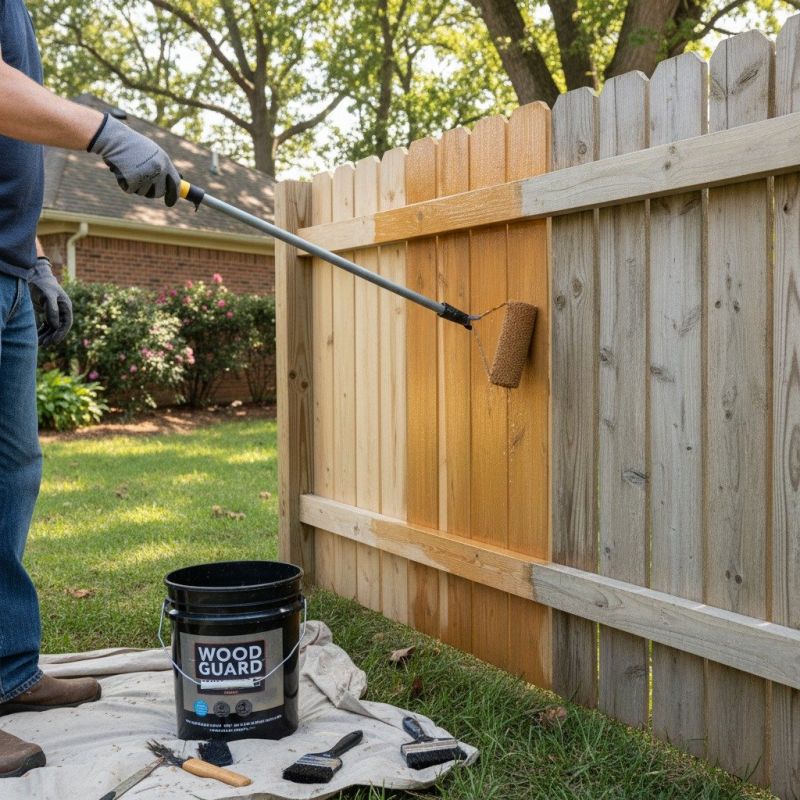
When evaluating potential service providers for fence sealing, it’s important to consider their experience with similar projects. Homeowners should look for local contractors who have a proven track record of successfully completing fence sealing jobs comparable in size and material to their own. Experienced pros are more likely to understand the nuances of different fencing materials and can offer insights that help ensure the job is done effectively and efficiently. Gathering information about their past work can provide confidence that the chosen local pros are well-versed in handling projects like yours.
Clear, written expectations are essential for a smooth working relationship. Homeowners should seek out local contractors who provide detailed estimates or scope of work agreements that outline what is included in the service. This helps prevent misunderstandings and ensures everyone is on the same page regarding the scope, materials, and any additional services. Having these expectations documented in writing also makes it easier to compare options and choose a provider that aligns with the homeowner’s needs and preferences.
Reputable references and good communication are key indicators of a reliable service provider. Pros who can provide references from previous clients demonstrate transparency and a history of satisfactory work. Additionally, clear and prompt communication during the inquiry process can reveal how well a contractor listens to questions and concerns, and how effectively they keep homeowners informed. While the site introduces homeowners to local service providers, it’s important to remember that the actual fence sealing work is performed by qualified local contractors who can be evaluated based on their experience, communication, and references.
Property owners use Fence Sealing services for practical projects around their homes and businesses. This guide focuses on everyday jobs and straightforward project options.
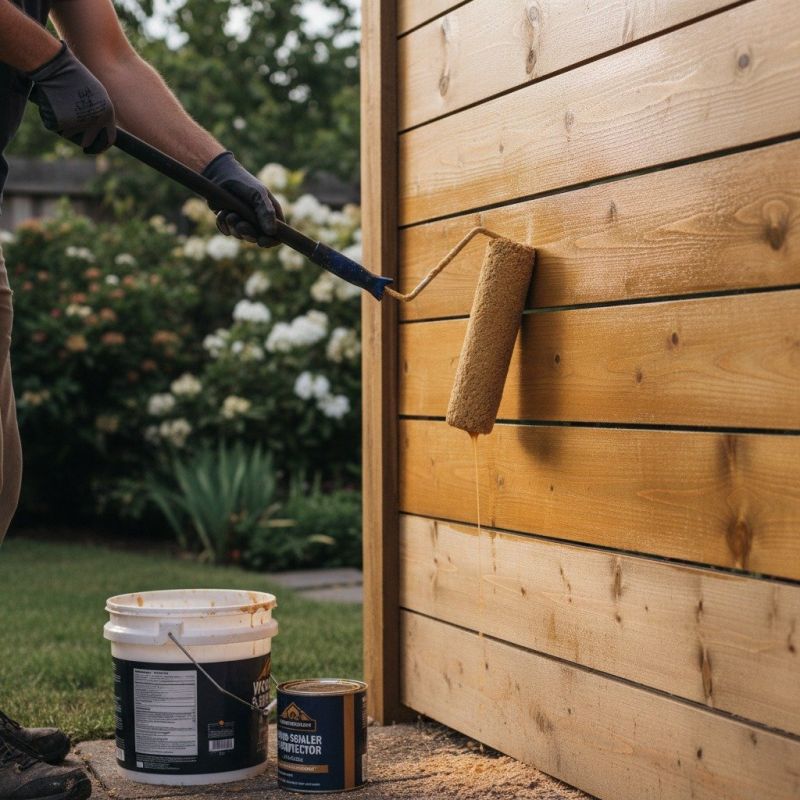
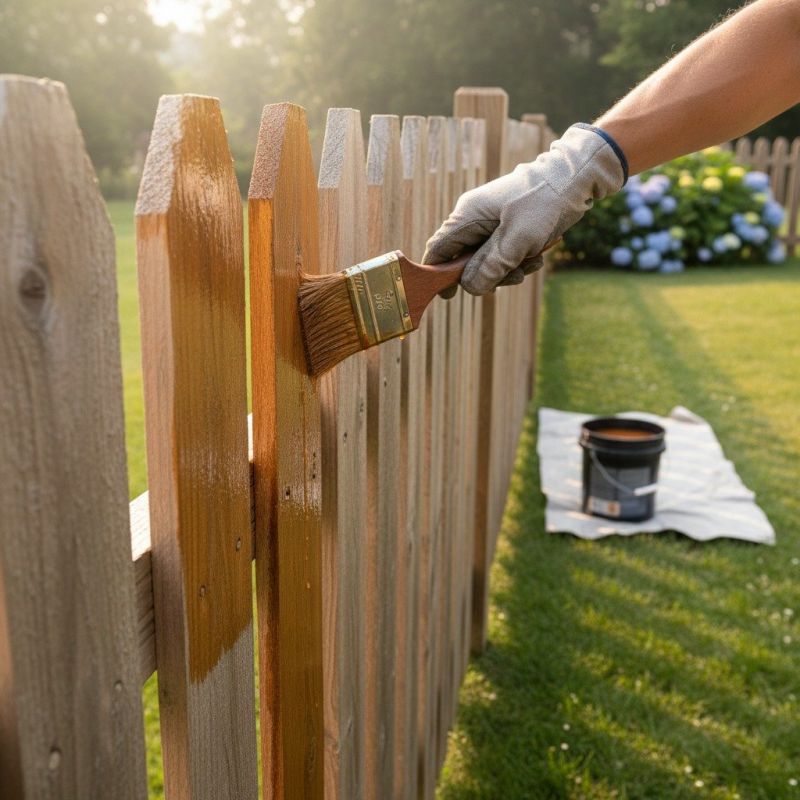
Fence sealing is a common maintenance task for property owners looking to protect their fences from weather damage, moisture, and general wear over time. Homeowners may seek these services to help extend the lifespan of their fences, improve curb appeal, or prevent issues like warping, rotting, and staining. Local contractors who specialize in fence sealing can assess the condition of existing fences and recommend appropriate sealing products to keep them looking and functioning their best.
Many property owners turn to local service providers when their fences show signs of aging or damage, such as fading, cracking, or mold growth. Sealing a fence can also be part of preparing for seasonal changes or ongoing yard upkeep. Service providers in the area are equipped to handle various types of fencing materials and can help maintain the integrity and appearance of fences, making them a practical choice for homeowners wanting to safeguard their investment.
Why should I consider sealing my fence? Sealing a fence can help protect it from weather damage, reduce moisture absorption, and extend its lifespan by preventing rot and decay.
What types of fences can benefit from sealing? Most types of wooden fences, including privacy, picket, and panel fences, can benefit from sealing to maintain their appearance and durability.
How often should a fence be sealed? The recommended interval for sealing a fence typically ranges from one to three years, depending on the climate and fence material.
What is involved in the fence sealing process? Local contractors generally clean the fence surface thoroughly, then apply a protective sealant evenly to ensure proper coverage and absorption.
Can sealing be done on any fence condition? Sealing is most effective on fences that are in good condition; severely damaged or rotted fences may require repairs before sealing can be effective.
Protect Wooden Fences - Sealing wooden fences helps prevent moisture damage and extends their lifespan for ongoing outdoor use.
Maintain Privacy - Applying sealant can keep fences looking fresh and ensure privacy is preserved over time.
Enhance Curb Appeal - Well-sealed fences contribute to a neat, maintained appearance that boosts property value.
Prepare for Weather - Sealing fences before seasonal changes can help minimize weather-related wear and tear.
If you are thinking about Fence Sealing for a property, this guide is meant to help you understand the work, the typical project types, and how different options might fit your plans.
When you are ready, you can use the quote form on this page to share a few details about your project. From there, local pros can review the basics and respond with options that match what you have in mind.